Introduction: Why Festivals Matter
Festivals are the heart of human culture. They represent joy, tradition, unity, and the chance to step into the soul of a place. For travelers and digital nomads, festivals offer not only unforgettable experiences but also insights into local traditions, beliefs, and lifestyles. Whether it’s the splash of water during Thailand’s Songkran or the roar of drums at Brazil’s Carnival, festivals connect people worldwide through celebration.
Thailand, known as the Land of Smiles, is one of the most festival-rich countries in Asia. Its annual calendar is filled with colorful, spiritual, and energetic events that combine ancient traditions with modern fun. For anyone living in or visiting Thailand, these festivals provide the perfect balance of cultural immersion and adventure.
Thailand’s Most Iconic Festivals
Songkran – The Thai New Year Water Festival
- When: April 13–15 (sometimes extended to a week)
- Where: Nationwide, but biggest celebrations in Bangkok, Chiang Mai, and Phuket
- What to Expect:
Songkran is Thailand’s most famous festival and arguably one of the most fun celebrations worldwide. It marks the Thai New Year and originally centered around the tradition of pouring water on Buddha statues and elders as a sign of respect. Today, it has evolved into a nationwide water fight, with streets turning into massive battlegrounds of water guns, buckets, and hoses.
- Why Attend:
It’s the ultimate mix of tradition and fun—temple visits in the morning, water battles by noon, and lively nightlife after dark. Digital nomads and tourists alike find Songkran to be an unforgettable cultural adventure.
Loi Krathong – The Festival of Lights
- When: November (exact date follows the lunar calendar)
- Where: Nationwide, with Chiang Mai and Sukhothai being the most famous spots
- What to Expect:
During Loi Krathong, people gather near rivers, lakes, and canals to float beautifully decorated baskets (“krathongs”) made from banana leaves, flowers, candles, and incense. The act symbolizes letting go of negativity and welcoming good fortune.
- Why Attend:
The sight of thousands of flickering candles floating on water is breathtaking. It’s a serene festival perfect for travelers seeking deeper cultural experiences.
Yi Peng Lantern Festival – Chiang Mai’s Sky Spectacle
- When: Coincides with Loi Krathong in November
- Where: Chiang Mai, Northern Thailand
- What to Expect:
Yi Peng is often confused with Loi Krathong, but it is unique to Northern Thailand. Thousands of lanterns are released into the night sky, symbolizing letting go of misfortune and making wishes for the future.
- Why Attend:
This is one of the most photogenic festivals in the world. The sky filled with glowing lanterns creates an unforgettable memory, often shared on postcards and travel blogs worldwide.
Phuket Vegetarian Festival – Sacred Rituals and Processions
- When: October (nine-day event)
- Where: Phuket
- What to Expect:
This Taoist festival is one of the most intense in Thailand. Participants follow a strict vegetarian diet and take part in rituals of purification. The most dramatic aspect includes spirit mediums performing body piercings and walking on hot coals as a way of demonstrating devotion and absorbing evil spirits.
- Why Attend:
It’s not for the faint-hearted but offers deep cultural insight and extraordinary photo opportunities.
Full Moon Party – Koh Phangan’s Legendary Beach Festival
- When: Every full moon
- Where: Haad Rin Beach, Koh Phangan
- What to Expect:
What started as a small hippie gathering in the 1980s has grown into one of the world’s most famous beach parties. Thousands gather each month under the full moon for all-night dancing, music, fire shows, and neon body paint.
- Why Attend:
While not rooted in tradition like other Thai festivals, the Full Moon Party has become a cultural phenomenon and a rite of passage for backpackers and digital nomads.
Other Notable Thai Festivals
- Makha Bucha (February/March): Buddhist holy day with candlelit temple processions.
- Visakha Bucha (May): Celebrates the birth, enlightenment, and death of Buddha.
- Royal Ploughing Ceremony (May): Ancient ritual marking the rice-planting season.
- King’s and Queen’s Birthday Celebrations: National events with parades and ceremonies.
Experiencing Festivals as a Digital Nomad in Thailand
For digital nomads, Thailand’s festivals aren’t just cultural spectacles—they’re opportunities to:
- Network: Festivals bring expats, locals, and travelers together.
- Create Content: For bloggers, vloggers, and photographers, Thai festivals are gold mines of visuals and stories.
- Balance Work & Life: Festivals break the work routine and provide authentic cultural immersion.
Tips for Attending Thai Festivals
- Plan Early: Accommodation books out months ahead for Songkran and Yi Peng.
- Respect Traditions: While fun, festivals like Loi Krathong carry spiritual meaning—dress modestly and follow local etiquette.
- Protect Your Gear: For Songkran, waterproof everything (phone, laptop, camera).
- Stay Flexible: Festivals often follow the lunar calendar; dates can shift each year.
Why Thailand Leads in Cultural Tourism
Thailand excels in cultural tourism because its festivals are inclusive—visitors are welcomed to participate. Unlike some countries where festivals are strictly local, Thailand invites foreigners to join the fun, creating a sense of belonging. This openness is a huge draw for remote workers seeking community.
Global Festivals Every Traveler Should Experience
Festivals aren’t just about fun—they’re windows into the soul of a culture. After exploring Thailand’s vibrant events, it’s time to look outward at the world’s most iconic celebrations that attract millions of travelers each year.
Carnival – Brazil’s Dance of Colors
- When: February/March (before Lent)
- Where: Rio de Janeiro, São Paulo, Salvador
- What to Expect:
Carnival is the world’s biggest party, with samba parades, elaborate costumes, street blocos (parties), and nonstop music. Rio’s Sambadrome parade is legendary, with floats and dancers dazzling over 70,000 spectators.
- Why Attend:
It’s an explosion of culture, rhythm, and joy—truly a bucket-list event.
Oktoberfest – Germany’s Beer Celebration
- When: Late September to early October
- Where: Munich, Germany
- What to Expect:
The world’s largest beer festival featuring Bavarian beer tents, traditional food, folk music, and parades. Millions of visitors wear lederhosen and dirndls to join the fun.
- Why Attend:
It’s more than just beer—it’s a cultural immersion into German traditions.
Diwali – Festival of Lights
- When: October/November
- Where: India, Nepal, and Indian communities worldwide
- What to Expect:
Diwali celebrates the triumph of light over darkness. Families decorate homes with oil lamps and candles, burst firecrackers, and share sweets.
- Why Attend:
It’s one of the most spiritual and colorful festivals in the world, offering both joy and deep meaning.
Holi – Festival of Colors
- When: March
- Where: India and Nepal (popular in Vrindavan and Mathura)
- What to Expect:
Holi is a vibrant celebration where people throw colored powders and water at each other in the streets. It marks the arrival of spring and the victory of good over evil.
- Why Attend:
It’s messy, chaotic, and pure fun—a universal symbol of joy and renewal.
Chinese New Year – Asia’s Grandest Celebration
- When: January/February (based on lunar calendar)
- Where: China, Singapore, Thailand, Malaysia, global Chinatowns
- What to Expect:
Lion dances, fireworks, dragon parades, family feasts, and red lanterns everywhere. Each year is dedicated to an animal of the zodiac.
- Why Attend:
It’s the largest human migration on earth, filled with tradition and festive energy.
Running of the Bulls – Pamplona, Spain
- When: July (San Fermín Festival)
- Where: Pamplona
- What to Expect:
Daring participants run alongside charging bulls through narrow streets. The festival also includes parades, music, and fireworks.
- Why Attend:
Controversial yet iconic, it’s a raw adrenaline-filled tradition that continues to draw thrill-seekers.
Burning Man – Nevada, USA
- When: Late August to early September
- Where: Black Rock Desert, Nevada
- What to Expect:
A temporary city built on principles of radical self-expression and community. Art installations, music, costumes, and the burning of a giant wooden effigy define the event.
- Why Attend:
It’s not just a festival—it’s a social experiment in creativity and freedom.
Other Notable Global Festivals
- St. Patrick’s Day (Ireland, March): Parades and Irish culture celebrations.
- Mardi Gras (New Orleans, USA): Parades, masks, and jazz music.
- Gion Matsuri (Kyoto, Japan): Traditional floats and Shinto rituals.
- Tomorrowland (Belgium): The world’s most famous electronic music festival.
Tips for Attending Festivals Worldwide
- Book Early: Accommodation and flights sell out months in advance.
- Learn the Basics: Understand the cultural or religious significance.
- Pack Smart: Some festivals require specific clothing (white for Holi, costumes for Carnival).
- Stay Safe: Big crowds can mean pickpockets—keep valuables secure.
- Respect Locals: Remember you’re a guest; follow customs and traditions.
Why Festivals Are Essential for Travelers & Nomads
For travelers and digital nomads, festivals are more than entertainment:
- Cultural Immersion: Learn traditions firsthand.
- Networking: Festivals bring together locals, travelers, and expats.
- Content Creation: Perfect for photography, blogging, and vlogging.
- Balance: Festivals offer joyful breaks from the work-travel routine.
Conclusion: A Global Celebration of Humanity
From Songkran’s water battles in Thailand to Rio’s Carnival parades, festivals showcase the diversity and creativity of human culture. They allow travelers to experience traditions in a way that words and photos alone cannot capture.
Thailand is a perfect launchpad—its vibrant festival scene introduces you to Asia’s cultural heartbeat, and from there, the world opens up. Whether you’re a digital nomad seeking inspiration, a traveler chasing experiences, or a business-minded expat building global networks, festivals are the pulse of cultural tourism.
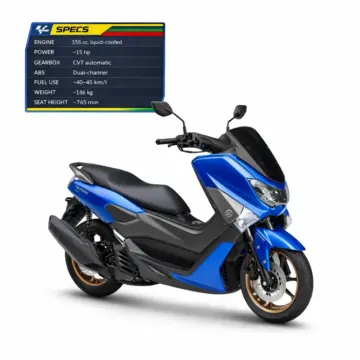
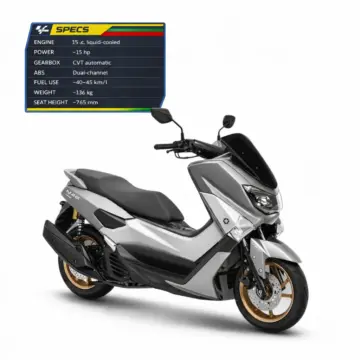
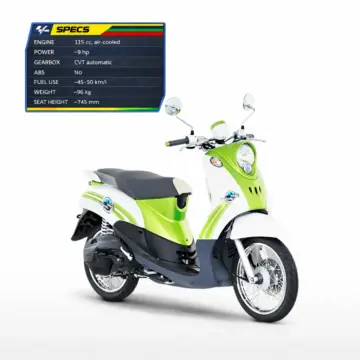
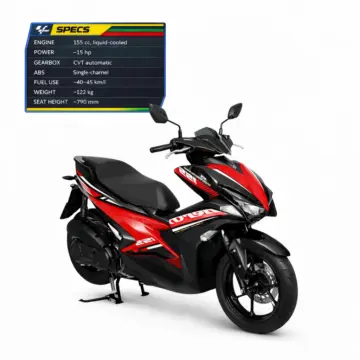
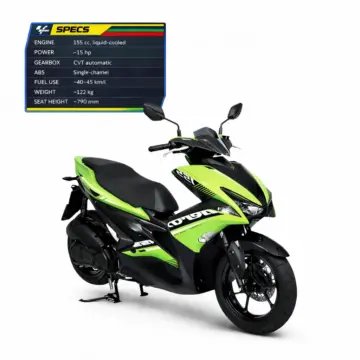
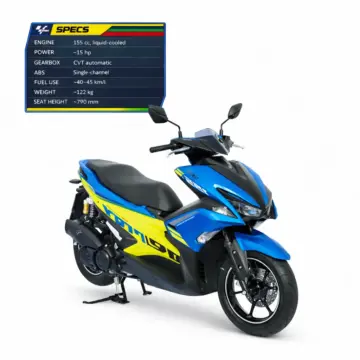
And if your journey begins in Thailand, don’t forget the practical side of travel—mobility. Exploring festivals across the country becomes effortless with a scooter or motorbike. Companies like RentLab make it easy to rent a bike in Bangkok, giving you freedom to chase the magic of Thailand’s events.
Festivals remind us of something universal: while cultures may differ, the joy of celebration connects us all. 🌏✨